Pollen Season in South Jersey — What It Does to Your Car's Paint
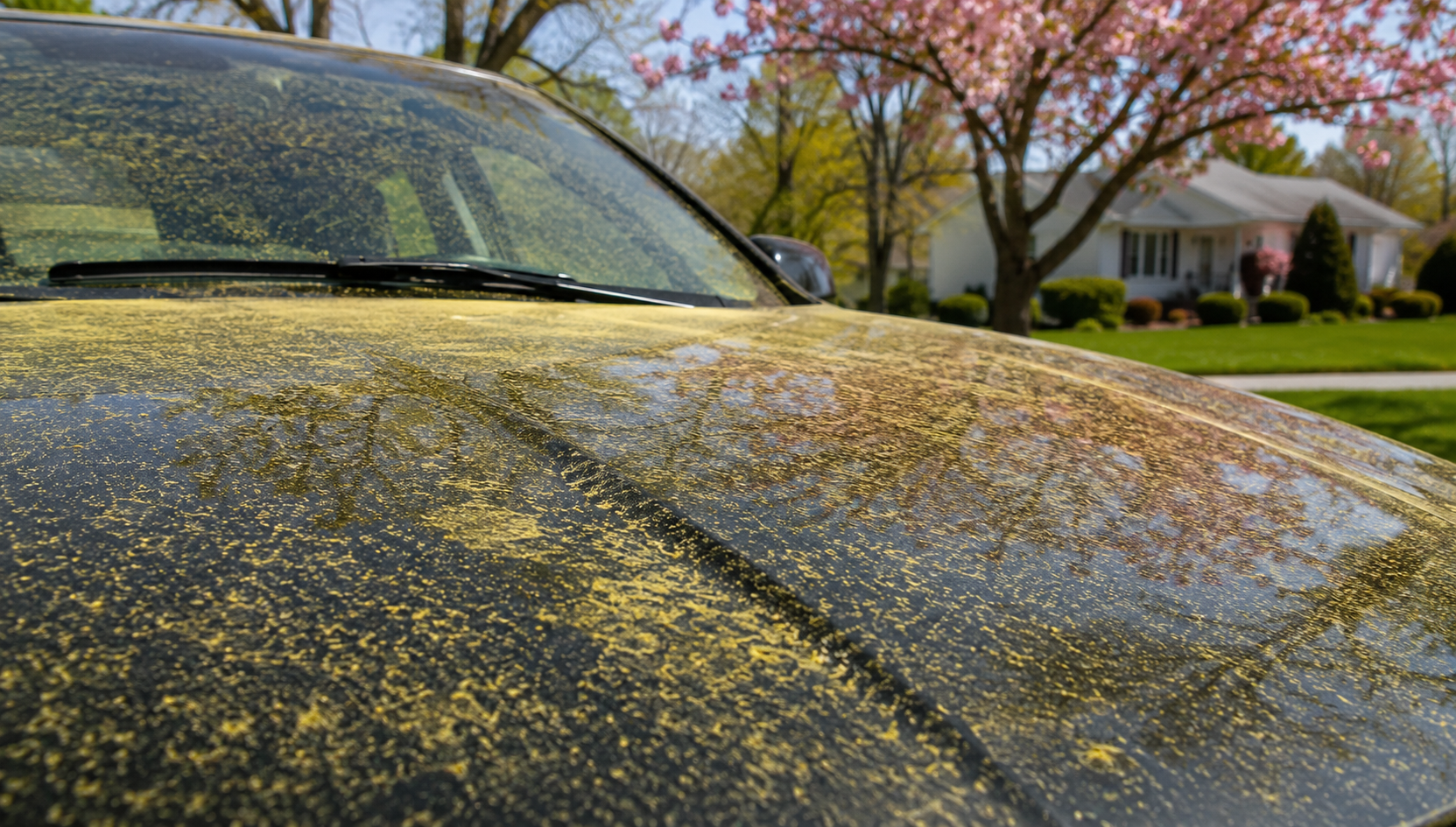
Every spring, South Jersey turns yellow. That fine dusting of pollen settles on everything — your porch, your patio furniture, and most visibly, your car. One day your vehicle is clean; the next it's wearing a chalky yellow-green film that makes a black car glow an eerie green and turns a white car dingy. Most drivers shrug it off as a cosmetic annoyance, run the car through a wash, and move on.
But here's what a lot of South Jersey drivers don't realize: pollen isn't just ugly. Left on your paint, it can actively damage your clear coat, and the way most people try to remove it often does more harm than the pollen itself. With our region sitting in the heart of one of the heaviest pollen zones in the country, understanding what pollen does to your paint — and how to deal with it correctly — can save your finish and your car's value.
How Bad Is Pollen Season Around Here?
South Jersey and the broader Philadelphia region sit in the Mid-Atlantic Coastal allergy zone, which means a long, intense pollen season. Tree pollen season here runs from roughly February through June, with April and May being the worst months for the highest counts. Oak, maple, birch, ash, hickory, and elm all dump pollen across the Delaware Valley, and the dense tree canopy across Gloucester, Camden, and Burlington counties produces substantial loads that blanket every car parked outdoors.
And it's getting worse. Local allergists report that the region's pollen season is starting earlier and intensifying year over year, driven by warmer temperatures. On a hot, breezy spring day, you can watch pollen visibly fall and coat every car on the street. For your vehicle, that means weeks on end of constant exposure during peak season.
Why Pollen Actually Damages Paint
It's tempting to think of pollen as harmless yellow dust. The reality is more troubling, and it comes down to two distinct threats.
Pollen is acidic and etches into your clear coat
This is the big one. Each pollen grain is acidic, and when it gets wet — from rain, dew, or morning humidity — that acidity activates. As detailing professionals explain, pollen is acidic, which causes it to etch into the paint, leading to discoloration and corrosion over time. When pollen gets wet it turns slightly acidic and etches into the paint surface, and the longer it sits, the harder it is to remove cleanly and the greater the risk of lasting damage.
The damage is real, not theoretical. Drivers who let pollen sit have reported that after it bonds, a yellow spot remains in the clear coat where the pollen stuck, leaving a slight raised bump in the finish even after the color washes away. Once pollen has been left long enough to bond, it can embed itself into the clear coat, and removing the resulting stain may require polishing or professional paint correction.
Pollen grains are physically abrasive
The second threat is mechanical. Each pollen grain has microscopic jagged edges that can scratch your clear coat when rubbed dry. This is why how you remove pollen matters so much — which brings us to the most common, and most damaging, mistake drivers make.
The Biggest Mistake: Wiping Pollen Off Dry
When drivers see that yellow film, the instinct is to grab a duster, a dry rag, or a "California duster" and wipe it off. This is exactly the wrong move. Because pollen grains are abrasive, dragging them across dry paint grinds those jagged particles into your clear coat, leaving fine scratches and swirl marks. One detailer learned this the hard way, warning others after trying to "dust off" the pollen layer: never again.
The pollen just sitting on your paint isn't the real problem — the problem comes from how you decide to remove it. There are a few ways to do it, but only one approach is guaranteed not to ruin your paint. Pollen needs to be floated and lifted away with plenty of water and lubrication, never rubbed off dry.
How to Remove Pollen Safely
Here's the right way to clear pollen without harming your finish.
Start with a rinse
The fastest and safest first step is a strong stream of water. A good rinse dislodges most fresh pollen without physical contact, so there's zero risk of scratching the paint. Start at the top — the roof, hood, and windshield where pollen accumulates most — and work down. This works best when the pollen is fresh; if it's been sitting a few days, you'll need more.
Do a proper hand wash
For anything beyond a light fresh dusting, a full contact wash is your best option. Use a car-specific shampoo (never dish soap, which strips your wax) with the two-bucket method to keep grit away from your paint. Detailers specifically recommend a full wash rather than quick-detailer wipe-downs, because the stubbornness of pollen requires more cleaning power for safe removal. Work top to bottom and rinse your wash mitt frequently.
For bonded pollen, clay bar the paint
When pollen has been sitting long enough to bond, washing alone won't fully remove it. This is where a clay bar comes in. Run your hand over the washed, dried paint — if it feels rough or gritty rather than glass-smooth, you've got bonded contaminants. A clay bar, used with plenty of lubricant, safely lifts embedded contaminants like pollen that normal washing can't, without damaging the clear coat. It's the most thorough method for restoring a truly clean surface and prepping the paint for protection.
If staining remains, you may need correction
If pollen sat long enough to actually etch or stain the clear coat, claying won't fix it — a clay bar removes bonded contaminants but won't remove below-surface defects. At that point you're looking at machine polishing or professional paint correction to level out the affected layer. This is exactly the kind of expensive outcome that prompt, proper pollen removal prevents.
The Best Defense: Protection and Routine
The smartest approach to pollen season isn't reacting to damage — it's preventing pollen from ever bonding in the first place. Two things make all the difference: protection and frequency.
Keep a protective layer on your paint
A coat of wax or sealant creates a barrier between the acidic pollen and your clear coat, buying you time and making pollen far easier to rinse off. As one detailer notes, the longer pollen sits, the more it eats away at your waxes and sealants— so a fresh, healthy protective layer is your first line of defense.
For the strongest, longest-lasting protection during a months-long pollen season, ceramic coating is worth serious consideration. Its hydrophobic, slick surface means pollen has a much harder time sticking, and what does land rinses away with far less effort. A ceramic-coated car sheds the spring pollen load instead of letting it bond, which means less scrubbing and far less risk of etching all season long.
Wash frequently during peak season
During April and May, frequency matters more than anything. The more often you remove pollen, the less time it has to get wet, activate its acidity, and bond. Aim to rinse or wash regularly through the peak weeks rather than letting a thick layer accumulate and bake on. Parking in a garage whenever possible also helps enormously, since wind carries pollen onto any exposed surface and even overnight exposure adds up.
Don't forget your cabin air filter
While we're on pollen, it's worth replacing your cabin air filter heading into spring. A clogged filter pulls pollen and dust into the cabin every time your HVAC runs — a real issue in our high-pollen region, especially for allergy sufferers.
Why a Professional Detail Makes Sense in Pollen Season
You can handle routine pollen rinses yourself, but a professional detail offers real advantages during the heart of the season. Detailers perform a proper decontamination — a full wash plus clay bar treatment — to lift bonded pollen that washing alone leaves behind, using the right technique so there's no risk of the scratching and swirl marks that DIY dry-wiping causes. They can assess whether pollen has begun to etch and address it with polishing before it becomes permanent. And they can lay down durable protection — a fresh sealant or a ceramic coating — timed for the start of pollen season so your car sheds the worst of it.
The timing argument is strong: getting your car detailed and protected in March or early April, before pollen peaks, means you head into the worst weeks with a slick, protected surface that pollen struggles to bond to. That's far easier and cheaper than correcting etched clear coat after the fact.
The Bottom Line
Pollen season in South Jersey is long, heavy, and getting worse. That yellow film is more than an eyesore — it's acidic enough to etch your clear coat and abrasive enough to scratch it if you wipe it off wrong. The drivers whose paint stays flawless through spring aren't the ones frantically dusting their cars every morning. They're the ones who keep a protective layer on their paint, rinse and wash properly and often, and never drag pollen across dry paint.
Treat pollen as the paint threat it actually is, and your finish will come through spring looking as good as it did before the trees bloomed.
Want your paint protected before pollen peaks? Underboss Detailing is South Jersey and Philadelphia's premier mobile detailing service — we come to your home or office to safely decontaminate pollen, clay bar your paint, and seal it with wax or ceramic coating that sheds pollen all season. Beat the April rush and protect your finish.
Book your pollen-season detail today →
Sources: Detailed Image, Battleground Kia, Details Matter, CarXplorer, AutoManiacs, Subaru Outback Forums, Painted OEM Parts, Chemical Guys.
Frequently Asked Questions
Can pollen actually damage my car's paint, or is it just ugly?
It genuinely damages paint. Each pollen grain is acidic, and when it gets wet it etches into the clear coat, causing discoloration over time. Grains are also physically abrasive, with jagged edges that scratch the clear coat if rubbed dry. Left long enough, pollen can embed into the clear coat and leave permanent yellow staining.
What's the worst thing I can do when removing pollen?
Wiping it off dry with a duster or rag. Because pollen is abrasive, dragging it across dry paint grinds those jagged grains into your clear coat, leaving scratches and swirls. The pollen sitting there isn't the real problem — the damage comes from how you remove it. Always float it off with water, never rub it off dry.
What's the safe way to remove pollen?
Start with a strong water rinse, which dislodges fresh pollen with zero contact and zero scratch risk, working top to bottom. For more buildup, do a proper two-bucket hand wash with car-specific shampoo — a full wash, not quick-detailer wipe-downs, since pollen requires real cleaning power. For bonded pollen, follow with a clay bar.
When is pollen season worst in South Jersey?
Tree pollen runs roughly February through June, with April and May being the peak months for the highest counts. Oak, maple, birch, and other trees across the Delaware Valley produce heavy loads, and the season is starting earlier and intensifying year over year due to warmer temperatures.
My car still feels rough after washing off the pollen. Why?
Because pollen has bonded to the paint. Run your hand over the dried surface — if it feels gritty rather than glass-smooth, you have embedded contaminants. A clay bar with lubricant safely lifts bonded pollen that washing can't, without harming the clear coat. If staining remains after claying, the clear coat may be etched and need polishing.
Does ceramic coating help with pollen?
Yes. A ceramic coating's slick, hydrophobic surface means pollen has a much harder time sticking, and what lands rinses off with far less effort. It also keeps acidic pollen from reaching your actual paint. For a months-long pollen season, that means less scrubbing and far less risk of etching — making it a smart pre-season investment.
How often should I wash my car during pollen season?
Frequently. The more often you remove pollen, the less time it has to get wet, turn acidic, and bond. Rinse or wash regularly through April and May rather than letting a thick layer bake on. Parking in a garage helps too, since wind carries pollen onto any exposed surface and even overnight exposure adds up.
Should I worry about pollen inside my car too?
Yes — replace your cabin air filter heading into spring. A clogged filter pulls pollen and dust into the cabin every time your HVAC runs, which is a real issue in our high-pollen region, especially for allergy sufferers.
Want your paint protected before pollen peaks? Underboss Detailing brings safe pollen decontamination, clay bar treatment, and protective coatings right to your home or office across South Jersey and Philadelphia.