Ceramic Coating in South Jersey: Is It Right for Your Car?
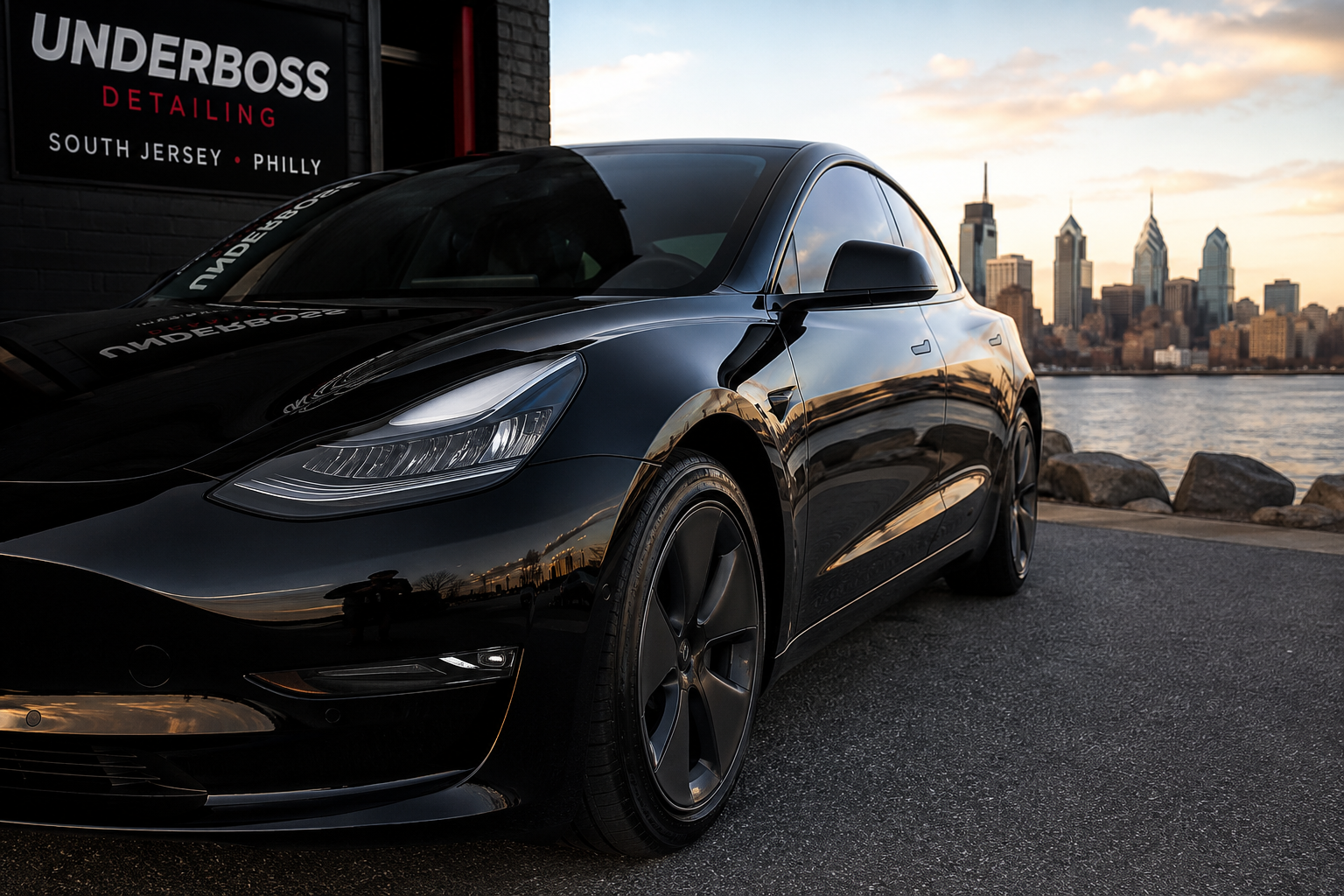
If you drive in South Jersey, your car's paint lives a hard life. Salt-treated roads chew at it all winter, summer sun beats down on it, humid coastal air hangs around it, and tree sap, bird droppings, and road grime land on it the rest of the year. Most people accept this as just the cost of owning a car here. But more and more South Jersey drivers are asking a smarter question: is there a way to actually protect my paint against all of this? And almost always, the next word out of their mouth is "ceramic coating."
Ceramic coating has gone from a niche enthusiast product to one of the most requested services in detailing, and for good reason. But it's also a real investment, and it's not the right call for every car or every owner. So let's cut through the marketing and answer the practical question honestly: given the specific conditions we deal with here in South Jersey, is ceramic coating right for your car?
At Underboss Detailing, we apply ceramic coatings throughout South Jersey and the greater Philadelphia area, and we have this conversation with customers constantly. Here's how we think it through.
A Quick Refresher: What Ceramic Coating Actually Is
Before we get into whether it's right for you, a quick reset on what it is. A ceramic coating is a liquid polymer — built primarily around silicon dioxide (SiO2), derived from quartz and sand — that you apply to your car's exterior. When it cures, it chemically bonds to the paint at a molecular level, forming a hard, transparent, semi-permanent protective layer.
The key difference between ceramic coating and old-school wax is that bond. Wax sits on top of your paint and washes away in a matter of weeks. A ceramic coating becomes part of the surface, creating a durable shield that lasts years rather than weeks. It makes the surface hydrophobic (water beads up and rolls off, carrying dirt with it), resistant to UV rays and chemicals, and noticeably glossier.
That's the product. The real question is whether those properties are worth it given what your car actually faces in this region.
Why South Jersey Is Hard on Your Paint
This is where the local angle genuinely matters, because the case for ceramic coating gets stronger in a climate like ours. South Jersey throws a full year of paint hazards at your vehicle.
Winter road salt. This is the big one. To keep roads safe through New Jersey winters, crews treat them heavily with salt and brine. That salt doesn't stay on the road — it clings to your car, and it's highly corrosive. When salt mixes with moisture from melting snow and slush, it creates a brine that attacks paint, clear coat, and metal. Salt can begin causing corrosion within days when moisture is present, and once your clear coat is compromised, salt can reach the paint and the metal underneath, leading to bubbling and rust. Loose salt particles kicked up by tires can even act like sandpaper, scratching and dulling the finish.
Summer sun. Our summers bring strong, sustained UV exposure, and sunlight is one of the leading causes of paint fading and oxidation over time. Paint that isn't protected slowly loses its depth and color.
Humidity and coastal air. South Jersey's proximity to the shore means humid, sometimes salty air much of the year — exactly the kind of moist environment that accelerates corrosion, especially on vehicles parked outdoors.
Everyday organic and environmental fallout. The rest of the year brings acidic threats like bird droppings and tree sap (both of which can etch paint if left sitting), plus industrial fallout, brake dust, and general road grime.
Here's why ceramic coating connects to all of this: its hydrophobic and chemical-resistant properties create a barrier that helps salt, grime, and contaminants slide off rather than bond and sit. The coating provides genuine chemical resistance for your painted surfaces and makes the car dramatically easier to keep clean — which, in a salt-and-grime climate like ours, is a real, practical advantage. Applying a protective layer like a ceramic coating before winter gives your paint a robust barrier against the season's most corrosive elements.
One honest caveat: a ceramic coating protects your painted surfaces, but it is not undercarriage rustproofing. The worst salt-driven corrosion often starts underneath the vehicle, in wheel wells and on exposed metal. Ceramic coating is a powerful tool for protecting and preserving your paint — it's not a substitute for washing your undercarriage and addressing rust prevention separately. We'd rather you hear that from us than be disappointed later.
Is Ceramic Coating Right for YOUR Car? Ask Yourself These Questions
The climate makes the case strong in general, but whether it's right for you comes down to your specific situation. Here's how to think it through.
How long do you plan to keep the car?
This is the single biggest factor. A quality professional ceramic coating lasts several years, so its value is realized over time. If you plan to keep your vehicle for several years, the coating pays you back in protection, preserved appearance, and easier maintenance across that whole span. If you lease or flip cars every year, you won't be around long enough to get full value from it — though even then, a coating can help protect your lease-end condition or boost resale appeal.
Where does your car live?
A car parked outside year-round in South Jersey faces far more salt, sun, humidity, and fallout than one tucked in a garage. The more exposed your vehicle, the stronger the case for ceramic coating, because it's working against those elements every single day. Outdoor-parked daily drivers are among the best candidates.
How much do you care about appearance and resale value?
Ceramic coating delivers a deep, glossy, wet-look finish and helps preserve your paint's condition over the years, which supports resale value. If keeping your car looking sharp matters to you, the coating is doing visible work every day. If you genuinely don't care how your car looks and just need it to run, the appearance benefits won't move you — though the protection benefits still apply.
How do you feel about car maintenance?
If you'd love to wash your car less often and have it clean up faster when you do, the hydrophobic, self-cleaning effect is a meaningful quality-of-life upgrade — especially valuable in a region where road grime and salt are constant. If you actually enjoy frequent waxing as a hobby, you may weigh things differently, but most people appreciate spending less time fighting grime.
Is your main concern rock chips, or grime and corrosion?
This matters for choosing the right tool. Ceramic coating excels at chemical resistance, UV protection, hydrophobicity, and gloss — it's outstanding against salt, grime, sun, and contaminants. What it does not do is stop rock chips and significant physical impacts. If rock-chip protection is your top priority — say, for a brand-new car or one that sees a lot of highway driving — paint protection film (PPF) is the stronger tool for that specific job, and many people use both together. Being clear about your real concern points you to the right solution.
The Single Most Important Factor: Proper Preparation
Whatever you decide, understand this: a ceramic coating is only as good as the surface it bonds to. This is the part that separates a great result from a disappointing one, and it's where doing it right truly matters.
Because the coating chemically bonds to your paint and stays there for years, it locks in whatever condition the paint is in at the moment of application. If the paint has embedded contamination, swirl marks, or oxidation, the coating seals those flaws in permanently — and applying protection over damaged or oxidized paint actually reduces how well it performs. That's why proper professional application involves a thorough decontamination (including paint decontamination and clay bar treatment) and often paint correction before the coating ever goes on. Proper surface preparation is critical to long-term performance, and it's the bulk of what you're paying for with a professional install.
This is also the strongest argument for going professional rather than DIY in our climate. A coating done right, on properly prepped paint, gives you years of reliable protection against South Jersey's salt, sun, and grime. A coating rushed onto unprepped paint can lock in flaws and underperform for just as long. The stakes of getting the prep right are exactly why this isn't a corner worth cutting.
So — Is It Right for Your Car?
Ceramic coating is an excellent fit for a South Jersey driver who plans to keep their vehicle for several years, parks outdoors or drives daily through our salt-and-grime conditions, wants to preserve their car's appearance and resale value, and would happily wash less often. For that owner — which describes a lot of people here — the coating earns its keep through years of easier cleaning, better protection against corrosive salt and UV, and a finish that stays sharp.
It's a weaker fit if you flip cars yearly, keep your vehicle garaged and pristine already, or if your single biggest worry is rock chips (in which case PPF deserves a look). And it's never a substitute for undercarriage care and basic winter washing — it's a powerful complement to good habits, not a replacement for them.
The honest bottom line: for most everyday drivers facing South Jersey winters and summers, ceramic coating is one of the smartest long-term investments you can make in your car's appearance and protection — provided it's applied properly, on well-prepped paint, by someone who knows what our climate demands.
Ready to Find Out If It's Right for Your Car?
At Underboss Detailing, we bring professional-grade ceramic coating right to your driveway across South Jersey and the greater Philadelphia area — from Washington Township, Williamstown, Cherry Hill, and Marlton to South Philly, Northeast Philly, Bucks County, and beyond. We'll assess your vehicle honestly, prep your paint the right way, and give you a straight answer about whether ceramic coating makes sense for your car, your driving, and your goals. No pressure, no overselling — just the treatment your car actually deserves.
Book your appointment today and we'll get you scheduled at a time that works for you. Your car deserves the treatment.
Sources
Mercury Insurance — "How to Protect Your Car from Road Salt Damage" (mercuryinsurance.com)
GDO Automotive — "Winter in New Jersey: Why Road Salt Is Your Car's Worst Enemy" (gdoautomotive.com)
Wash Hounds — "Seasonal Survival: How to Protect Your Car's Paint from Winter Salt and Summer Sun" (washhounds.com)
Drew's Auto Detailing — "How to Prevent Rust in Cars That Park Outdoors in NYC & NJ" (drewsautodetailingllc.com)
CG Specialty Auto — "How Can I Protect My Car from Road Salt Damage?" (cgspecialtyauto.com)
Knockout Collision Repair — "Impact of Weather Conditions on Car Paint and How You Can Protect It" (knockoutcollisionrepair.com)
AAA — "Protecting Your Car from Road Salt Damage" (acg.aaa.com)
Frequently Asked Questions
Is ceramic coating worth it in South Jersey's climate?
For many drivers, yes. South Jersey's combination of heavy winter road salt, strong summer sun, and humid coastal air is exactly the kind of harsh environment where a ceramic coating's chemical resistance, UV protection, and hydrophobic, easy-clean properties pay off. It's most worth it if you keep your car for several years and park outdoors or drive daily.
Does ceramic coating protect against road salt?
It provides real chemical resistance for your painted surfaces and makes salt and grime far easier to rinse off before they can bond and corrode. However, it only protects the surfaces it's applied to — it is not undercarriage rustproofing. The worst salt corrosion often starts underneath the vehicle, so ceramic coating should be paired with regular undercarriage washing.
How long does ceramic coating last in New Jersey winters?
A quality professional ceramic coating generally lasts several years, even through tough winters, as long as it's properly applied and maintained. Regular washing to remove salt and grime helps it reach its full lifespan. Harsh conditions don't shorten a well-applied coating dramatically, but neglect and poor prep do.
Is ceramic coating or paint protection film better for my car?
It depends on your main concern. Ceramic coating excels against salt, grime, UV, and chemical contaminants and adds gloss, but it doesn't stop rock chips. Paint protection film (PPF) is the stronger tool for physical impact and rock-chip protection. Many drivers use both together for complete coverage.
Can any car get ceramic coated, new or old?
Yes. Ceramic coating works on new and older vehicles alike. The critical factor is proper preparation — on an older car, that often means paint correction first to remove existing swirls and oxidation, since the coating locks in whatever condition the paint is in when applied.
Why does paint prep matter so much before coating?
Because the coating bonds to your paint and stays for years, it permanently locks in whatever's on the surface. If the paint has contamination, swirls, or oxidation, those get sealed in, and applying a coating over damaged paint reduces its performance. Proper decontamination and correction beforehand are what make the coating look great and last.
Should I get my car ceramic coated before winter?
It's a smart time. Applying a protective layer before winter gives your paint a barrier against the season's most corrosive element — road salt — right when it needs it most. That said, a coating is valuable year-round, protecting against summer UV and everyday fallout too.
Is professional ceramic coating better than a DIY kit for our climate?
For South Jersey conditions, professional application is generally the better choice. The proper prep, even bonding, and longer durability matter even more when your paint is up against heavy salt and sun. A rushed DIY job over poorly prepped paint can lock in flaws and underperform for years.